It happened again.
I got another email for an event with a last-minute BOGO offer – buy one registration, get the 2nd for free. And I cringed.
There are a couple of reasons that, no matter the immense pressure for bodies (especially at an event in which attendee numbers are behind the curve), you should resist the temptation to raise your hand in a meeting and utter the word “BOGO.”
Why?
- It cheapens the brand. When you are marketing an event, you are responsible for marketing a product: a vehicle for delivering content, networking, bringing people together in a form unavailable anywhere else. And when you incorporate a ‘buy-one get-one’ tactic, it cries of desperation and raises a red flag in the savvy consumer’s eye on the type of event they are being asked to commit to.
- You’ll train your audience to anticipate … and wait … for discounting: As if registration curves are not short enough to drive the event team insane, last-minute discounting over a period of events will set the expectation that if somebody holds out long enough the BOGO offer is forthcoming. People do remember – I’ve come into organizations and have gotten communications from past attendees along the lines of “last year I attended for free/cheap – how can I do that again?” People do remember these things.
- The reality is it’s a square peg in a round hole: BOGO is a tactic used by retailers for shoes, coffee, underwear, etc. [and select retailers, at that. Notice how you never see BOGO offers at Tiffany’s, do you?] Using it as an event marketing tactic is bringing it to a B2B business purchasing environment. And, of course, it’s silly-sounding to boot.
My writing ‘don’t do this’ doesn’t of course, alleviate the pressure you feel and receive to drive the biggest audience and most revenue to your event. To that point I have a couple of thoughts. First, if you initially budget, plan, and execute a pricing structure that encourages discounts for early registration to encourage revenue early in the campaign cycle that is not an issue, although as noted previously, the effectiveness of these are questionable.
Secondly if, for some reason, even after you’ve done your due diligence in planning and executing your marketing plans (and contingency plans) the event is lagging in registration revenue and or attendance, it may be other factors that need to be explored – all elements of the event: content, venue, speakers should be looked at as not having the “Wow” factor that drives commitment to ticket purchase. This is a different subject all together (and worth a post unto itself) – the point here being if an event reaches a stage that considering BOGO is an option, there are other variables in the overall event that should be taken into consideration.
So certainly plan for early discounts, plan for contingency tactics … just resist the temptation to BOGO. You’re doing more harm to the brand than good to the event otherwise.
Good luck!
John
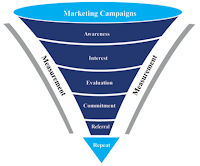 Event Marketing – and marketing strategy in general – has traditionally started at the top of the marketing funnel. Demand generation starts at evaluating and defining the universe of prospects for a marketing campaign or initiative, and building out marcom strategies from there. With the advent of Social Media there are, of course, new models being built around inverted funnels – a ‘one-to-many’ approach – that may disrupt the method, but currently the funnel – with some revisions – is still in place.
- Compiled Lists: while considered less than optimal as opposed to controlled circulation or buyers’ lists, these can be beneficial as they typically have a greater range of demographics to select from, enabling a very targeted audience to be produced.
- Online Lists: with the advent of online registration forms, there are lists available of individuals (with opt-in permission, of course); an added benefit are that these names contain, by nature, individuals who have utilized the Internet to at least register/purchase products or services.
- “Other” sources: Portner cited a list of subscribers for a title which has long since ceased publication. The subscribers are a finite demographic, however, and the publisher “keeps the file current as best they can,” and had gotten continued positive feedback regarding response.
To clarify, this post is not a clarion call to switch to a campaign of external lists sources – instead, it’s recognizing that events marketers have sourced these lists historically, that there are challenges in attaining these lists today, and thoughts on how to address. My overall suggestion has always been to use these names to augment your internal database and your online and demand generation activities.
And, of course, to test and measure results on an ongoing basis. The benefits of internal databases vs. external lists vs. social media, etc. in developing event marketing strategies is an argument for another day; in reality results vary from industry to industry and organization to organization. But supplementing your outreach efforts by strategically adding external names to the mix is certainly a tactic worth considering or revisiting as 2010 unfolds. And thinking through the most effective way to source these names in a declining market is key.
And please do share thoughts, success/horror stories – would be great to hear them!
Good luck!
John
P.S. I'm also pleased to let everybody know I am very excited to be presenting at the VirtualEdge 2010 Summit next month - check out the details here!


 Posts
Posts